
Lip blush is not lipstick in tattoo form. It is a translucent wash of colour that works with your natural lip tone - which is exactly why the starting tone matters so much.
WHY LIP TONE CHANGES THE PLAN
Lips carry melanin just like the rest of our skin, and many lip tones have a cool, mauve or brown base. Pigment placed over a cool base does not read the way it does on a warm pink base - a pretty rose can heal dusty or grey if the undertone is ignored. This is not a flaw in the lips; it is simply colour theory.
NEUTRALISATION: THE TWO-STEP APPROACH
For deeper or cooler lip tones, the first session uses warm corrector shades - not your final colour - to gently balance the undertone. Once healed, the second session layers the target colour over that neutral base. Rushing both steps into one session is how muddy results happen, so I treat neutralisation as its own stage with its own healing time.
- Session one: warm correctors balance the natural undertone.
- Healing: four to six weeks while the true base settles.
- Session two: the chosen colour is layered over the corrected base.
WHAT THE HEALED RESULT LOOKS LIKE
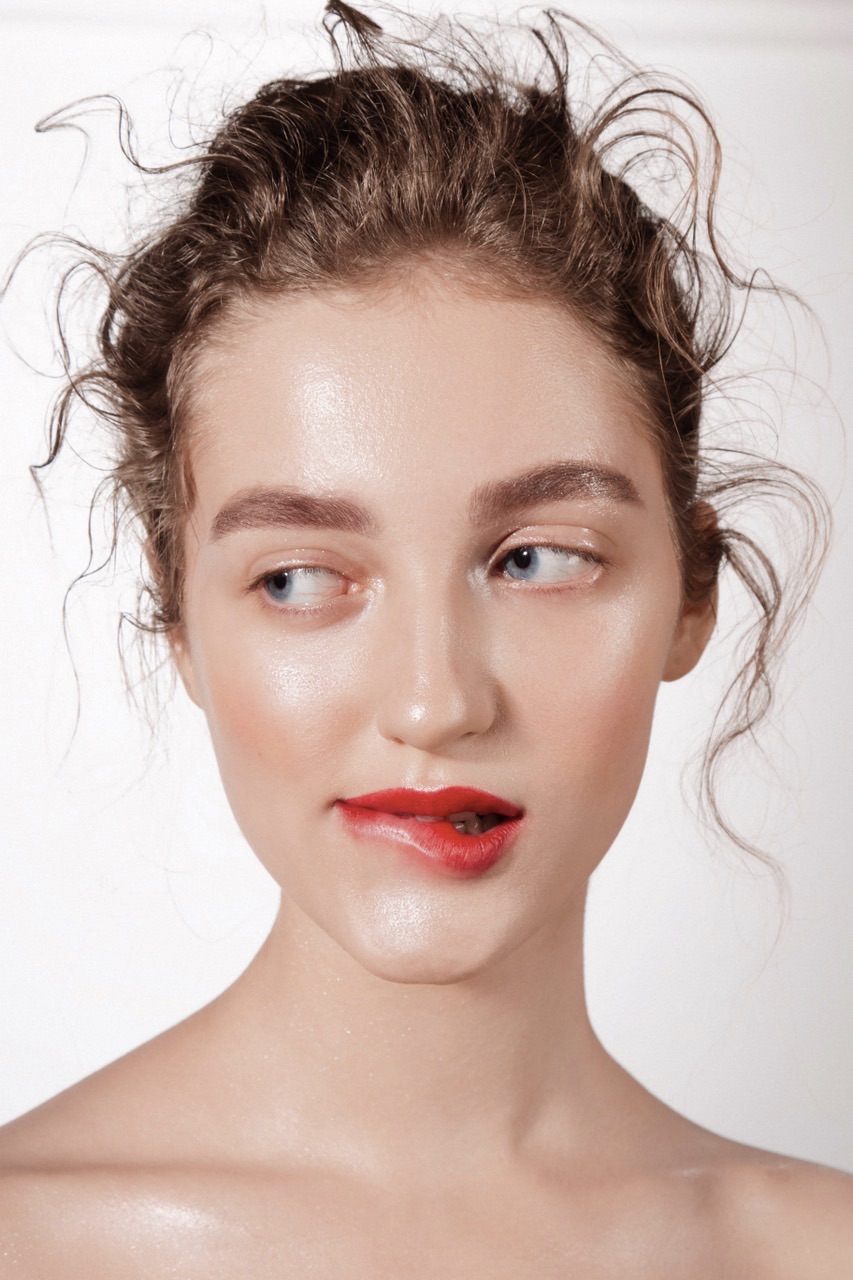
Healed lip blush is soft, even and believable - the "your lips but better" effect rather than a hard lipstick edge. On corrected lips the change can be remarkable, because the colour finally reads true instead of fighting the undertone underneath.